
India must learn from the ongoing conflicts in the Middle East: We will explore at least 8 strategic lessons from the US-Israel-Iran war. The geopolitical landscape is reshaped by the ongoing conflicts in the Middle East, which involve the Israel-Hamas war that fell out on October 7, 2023, escalations with Hezbollah in Lebanon, Houthi disruptions in the Red Sea, and confrontations involving Iran, Israel, and the United States in 2025–2026. These conflicts demonstrate the fragility of regional stability, the impact of proxy networks, the limits of deterrence, and the global escalation of economic shocks.
These conflicts offer crucial, useful insights and the strategic lessons that India must learn as a country with significant stakes in West Asia—home to millions of its diaspora, a key provider of energy imports, and a vital partner in trade. While well over 9 million Indian expatriates in the Gulf provide back significant remittances that help the nation’s economy, India imports around 45 and 55% of its crude oil as well as giant quantities of LNG and LPG from the region. Distant wars have a direct impact on households, inflation, and growth, as shown by the disruptions that have raised oil prices, freight costs, insurance premiums, and currencies.
This article explores important lessons that India must learn and India should embrace, covering everything from border security and counterterrorism to energy diversification, defense innovation, and diplomatic balancing. New Delhi’s policymakers need to view these as critical guidelines for protecting India’s rise into relevance in the global arena rather than as abstract incidents.
India must learn from the Middle East Conflicts: A Brief Overview and India’s Exposure
On October 7, 2023, Hamas unleashed a brutal assault on Israel, which set up a massive Israeli reaction in Gaza. After these events, there were fights with Hezbollah, attacks by the Houthis on cruise ships, and direct strikes between Iran and Israel, leading to significant escalations in 2025 (including a 12-day air conflict) and operations aimed at Iranian military and nuclear sites. While the conflicts exposed flaws in conventional deterrence and the resilience of asymmetric warfare, Iran’s “Axis of Resistance”—proxies such as Hamas, Hezbollah, Houthis, and Iraqi militias—saw severe decline.
India faces a multitude of vulnerabilities. Energy security is crucial since a significant portion of India’s imports of gas and oil flow via the Strait of Hormuz. Global prices have skyrocketed due to protracted instability; every $10 increase per barrel raises inflation and the cost of goods. Remittances from the Gulf, estimated at tens of billions annually, support millions of families and the current account.
Exports of engineering products, chemicals, and jewelry are among the trade ties that are at high risk from increased costs and disrupted transportation. Due to the sizable Indian diaspora concentrated in GCC countries, planning for evacuation and providing welfare during emergencies is essential.
According to geography, India has strategic ties with Iran (connectivity through Chabahar Port and the International North-South Transport Corridor), the Gulf countries (energy and investment), and Israel (defense and technology). India has been able to handle tensions without totally alienating either side owing to this multi-alignment, also known as strategic autonomy, but it demands constant adjustment.
to the necessity of energy independence and technological self-reliance
Lesson 1
Complacency in National Security is a Fatal Flaw—Prioritize Unity and Vigilance
The October 7 attacks act as a clear example of how inner conflicts and intelligence failures can lead to tragedy. Later, amid domestic political strife, Israeli authorities claimed they were “inured” to Hamas threats. Hamas has shown that terrorism thrives on perceived complacency by taking advantage of these perceived flaws.
This argument is especially true for India, since its history of cross-border terrorism and proxy threats. To achieve political unity on fundamental national security issues, we must overcome partisan divisions. Divergences inside the country should never reflect strength to rivals. Along critical borders, India needs to enhance intelligence sharing, border tracking, and quick response capabilities.
Standardizing and organizing regular cross-party briefings on new risks is essential, and policymakers should allocate funds for grassroots awareness campaigns. India cannot afford to contemplate security in isolated areas, just as the conflicts in the Middle East have shown that no community is safe from unplanned attacks. Given disruptions in the Red Sea, boosting coastal and maritime domain awareness impacts trade routes that are vital to India’s economy.
Lesson 2
The Power and Limits of Proxy Warfare—Build Robust Asymmetric Defenses
Iran developed a network of proxies as part of its “forward defense” strategy to deter direct attacks and maintain conflicts away from its borders. However, repeated Israeli and ally operations undermined Hamas, Hezbollah, and other legitimate groups, showing that precision strikes, intelligence dominance, and targeted operations are able to create proxies. Despite these setbacks, the Houthi attacks on shipping illustrate the continued use of these networks as instruments for asymmetric disruption.
State-sponsored proxies provide the same challenges for India. One of the lessons learned is that “multi-domain” deterrence is needed. This means using economic, information, and cyber tools along with physical weapons. Drones and loitering munitions have transformed conflicts, shifting from specialized to pivotal roles in modern warfare.

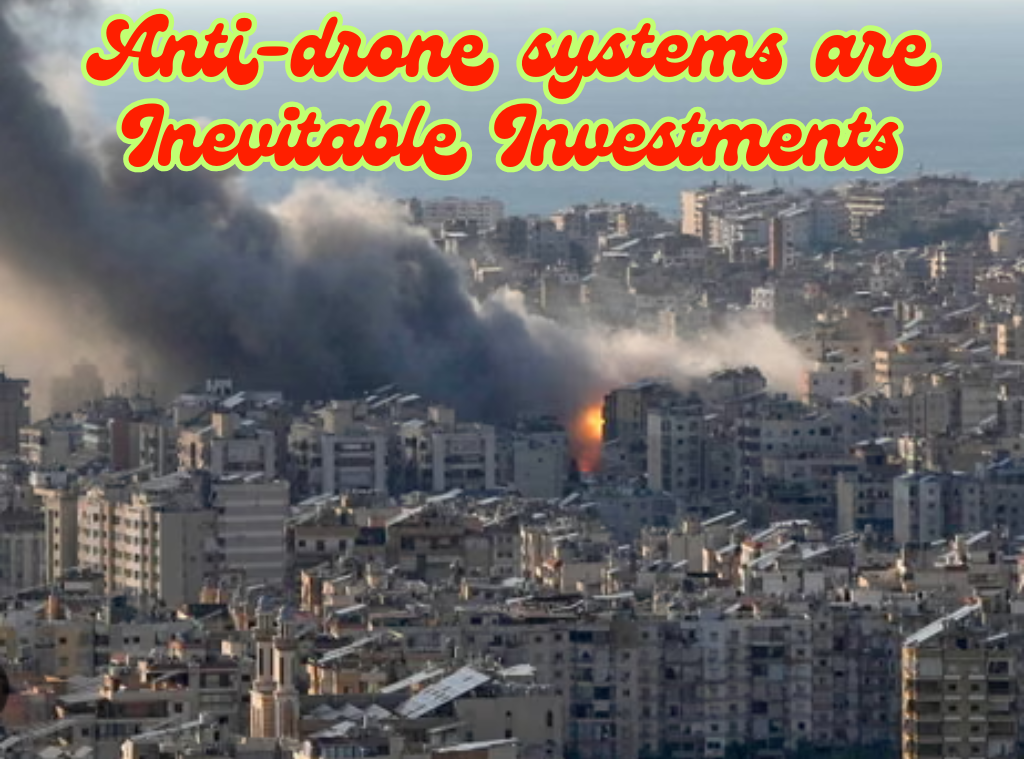
India should use R&D, joint ventures, and domestic production to expand its drone ecosystem, both offensive and defensive. Investing in layered air defenses, electronic warfare, and anti-drone systems is a must. The conflicts also showed the importance of special forces and quick deployment; India’s military needs to improve these abilities for defensive or expeditionary situations.
Policymakers must incorporate these into their doctrine, emphasizing atmanirbharta (self-reliance) in vital technologies and fostering selective collaborations.
Lesson 3
Energy Security Equals National Security – Diversify Aggressively and Build Reserves
The wars frequently disrupted energy flows, raising costs and exposing chokepoint weaknesses like the Red Sea and Strait of Hormuz. Risks to inflation, fiscal health, and growth are increased by India’s significant reliance on Middle Eastern hydrocarbons, which account for more than 50% of its crude imports. Energy shocks directly impact agriculture due to its reliance on natural gas for fertilizer manufacturing.
Key actions for India
- Diversification: Increase your sourcing from Latin America, Africa, Russia, and the USA. Long-term contracts and equity participation in global areas reduce volatility.
- Strategic Reserves: Increase the Strategic Petroleum Reserve (SPR) and look into other storage options. To mitigate short-term shocks, strive for coverage above existing levels.
- Transition Acceleration: Expand EVs, green hydrogen, nuclear power, and renewable energy to minimize dependence on imports. Reliance on fossil fuels is a strategic liability in unstable areas, as the conflicts show.
- Domestic Production: Increase investigation of unconventional sources and sedimentary basins in India.
Policymakers should view energy diplomacy as a fundamental aspect of foreign policy, involving negotiations with producers and alternative strategies for hedging. Efficiency initiatives and the reduction of subsidies for fuel are examples of short-term remedies that can lessen immediate hardship.
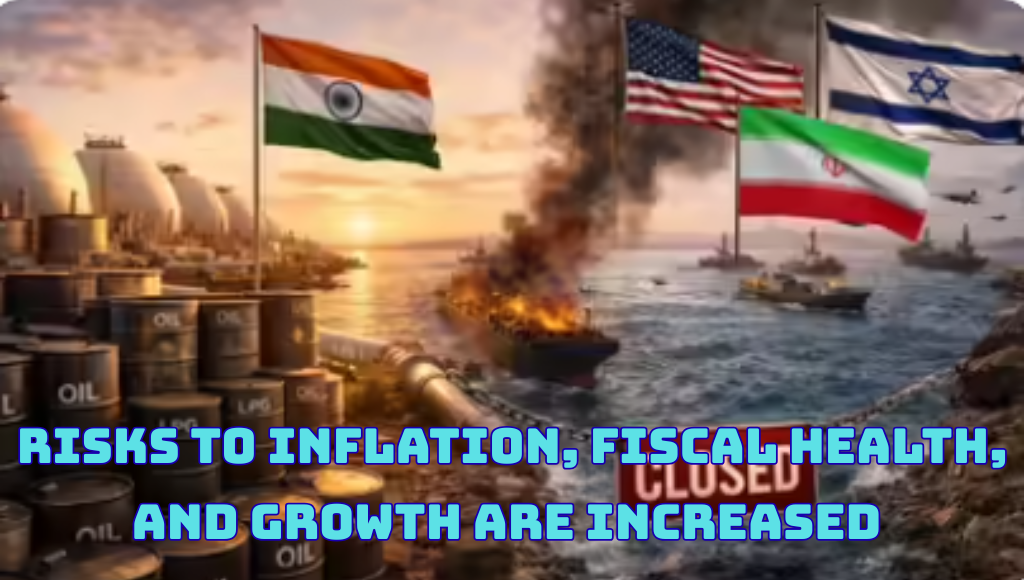
on Middle Eastern hydrocarbons
Lesson 4
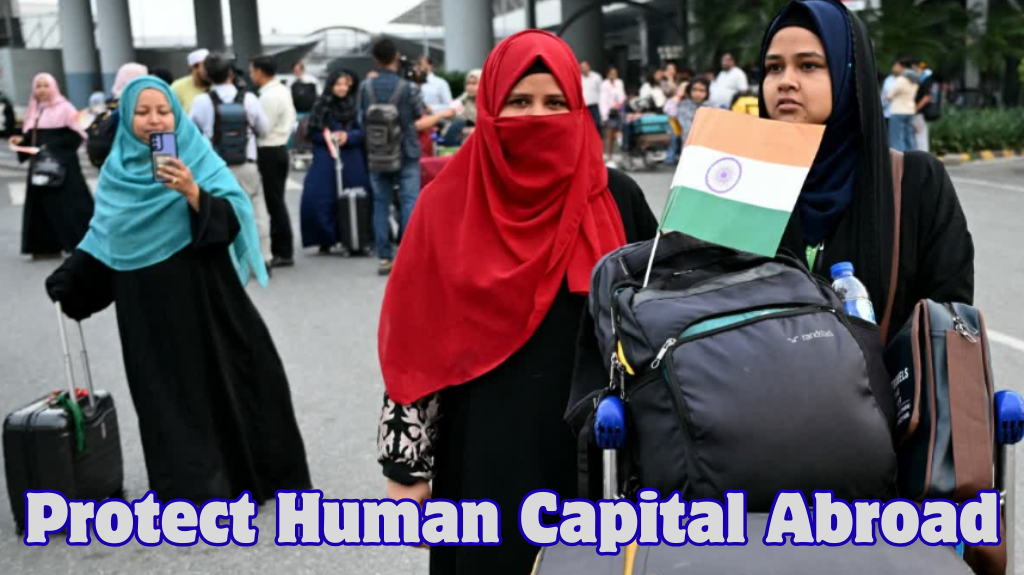
The Diaspora and Remittances—Protect Human Capital Abroad
Conflicts put millions of Indians in the Gulf in danger for safety, evacuation, and remittances. Disruptions have already highlighted the flows that support India’s balance of payments. A prolonged crisis could adversely affect Kerala’s economy and household spending.
India needs
- Effective consular systems and crisis evacuation protocols that build on previous achievements (e.g., from Kuwait or Libya).
- Workers ought to vary their skill sets to lessen their vulnerability to shocks unique to their industry.
- Insurance plans and financial security nets for foreigners.
- Communication with host governments to ensure welfare and, if necessary, a smooth return home.
Bilateral relations with GCC countries must place a strong emphasis on this human aspect of security.
Lesson 5
Defense Innovation and Indigenous Capabilities—From Buyer to Co-Developer
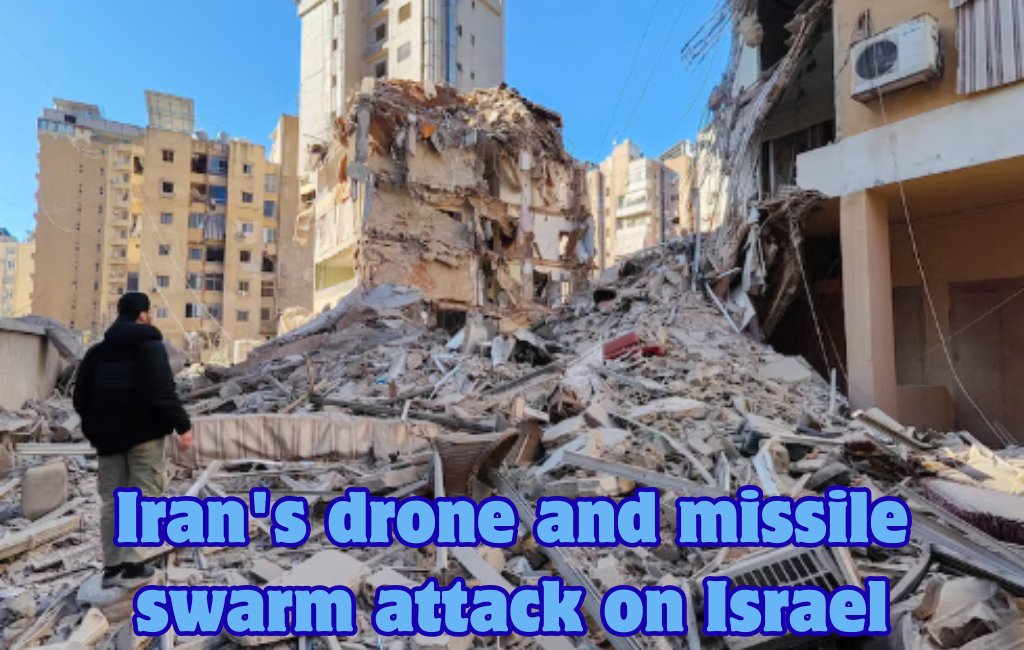
The conflicts showed Israel’s technological superiority in intelligence, unified operations, and precision weapons, as well as the democratizing impact of reasonably priced drones and missiles. Iran’s drone and missile swarms showed how a large number can overwhelm defenses.
India and Israel have boosted their defense relationship, going beyond buyer-seller to co-production and innovation in fields including UAVs, radars, and missiles. We must broaden this mindset to encompass export-oriented manufacturing, knowledge transfer, and collaborative research and development under Atmanirbhar Bharat and iDEX.
Invest in cyber defenses, space-based assets, hypersonics, and AI-powered fighting. The wars demonstrate that in high-intensity situations, qualitative supremacy and quick adaptation are more important than raw numbers. We must incorporate this mindset into our spending plans, integrating the private sector for greater versatility.
could be adversely affected by a prolonged crisis
Lesson 6
Strategic Autonomy through Multi-Alignment—Balance Without Alienation
India has been largely shielded from taking sides by its strategy, which includes close ties with Israel for security technology, Gulf states for petroleum and investment, and practical engagement with Iran for connectivity. This “all-alignment” technique prevents capturing and maintains leverage.
However, escalations test this delicate balance. Policymakers should be:
- Split up your relationships: Develop infrastructure with Iran, energy agreements with the GCC, and defense with Israel without correlating them.
- Maintain confidence with all parties while diplomatically promoting de-escalation and two-state solutions.
- Strengthen smaller partnerships similar to QUAD or create economic pathways (like IMEC alternatives) to ensure reliable connections that avoid
- Engage multilaterally via the UN, G20, or BRICS to shape norms on terrorism and maritime security.
The conflicts show how difficult it is to be completely unbiased; proactive, interest-based engagement produces better results.
Lesson 7
Economic Resilience and Supply Chain Security
Beyond energy, wars affected industries like jewelry and diamonds, disrupted trade, and boosted shipping costs. India needs to diversify its export markets, invest in domestic manufacturing, and create redundant supply chains.
Considering its impact, the idea of the India-Middle East-Europe Economic Corridor (IMEC) highlights the necessity of other connections. Reviving or modifying such efforts minimizes chokepoint risks and reduces over-reliance on any one route.
During external shocks, fiscal prudence—managing subsidies, creating buffers, and containing inflation—becomes crucial.
Lesson 8
Intelligence, Technology, and Whole-of-Government Approach
Superior intelligence and quick decision-making led to success in the conflicts. India needs to enhance interagency coordination (defense, MEA, finance, home), fusion centers, and AI analytics for threat prediction.
A “whole-of-nation” approach integrates civil society, academia, and the private sector into resilience planning.
Conclusion
The conflicts in the Middle East reflect India’s opportunities and shortcomings, rather than distant spectacles. The battles provide earned knowledge on topics from the dangers of complacency and proxy threats to the necessity of energy independence and technological self-reliance. India has shown remarkable strategic maturity through practical partnerships and well-rounded diplomacy. However, India needs to implement proactive reforms—such as bolstering defenses, diversifying energy sources, protecting citizens overseas, and fostering indigenous innovation—for long-term peace and prosperity.
India may turn possible crises into possibilities for improved security architecture, economic resilience, and worldwide influence by internalizing these lessons. India’s response will shape its trajectory in a multipolar world, given the region’s expected volatility.
Call-to-Action for Indian Policymakers
Honorable ministers, senior officials, and members of Parliament should immediately form a high-level task force to review national security doctrines in light of these concerns. Set a set of goals:
- Accelerated SPR expansion and vitality diversification in 12–18 months.
- Financial and policy support for new digital ecosystems, anti-drone initiatives, and drones.
- Expanded Diaspora welfare policies and training programs.
- Bipartisan conversations on national security to maintain harmony.
- Diplomatic attempts to further India’s connectivity and trade interests while promoting de-escalation.
Learning from tragedies in the past before they affect us is essential to India’s future as a thriving nation. Take decisive action—the welfare of our people, territorial integrity, and economic aspirations all depend on it. To turn these lessons into specific, measurable policy, work together with business, experts, and allies. Strategic foresight must dictate India’s advancement; instrumentalism is no longer an option.