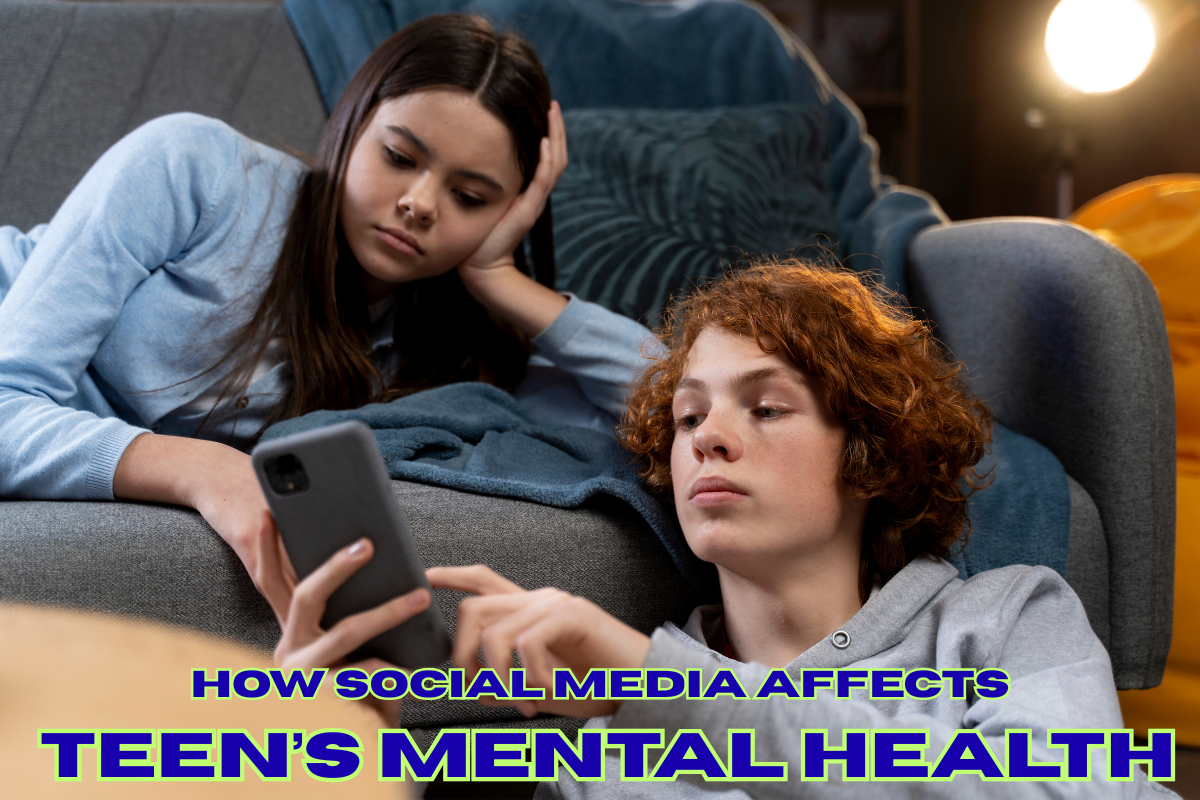
How Social Media Affects Your Teen’s Mental Health is no longer just a trending topic—it has become a daily concern for parents raising teenagers in a digital-first world. From endless scrolling and comparison culture to online validation and cyber pressure, social media silently shapes how teens think, feel, and see themselves. As a parent, you may notice sudden mood swings, withdrawal, anxiety, or a drop in confidence and wonder, “Is social media playing a role in this?” This guide is not about blaming technology or enforcing fear-driven restrictions.
Instead, it aims to help parents understand the real psychological impact of social media on teens, recognize early warning signs, and learn how to guide their children toward healthier, more balanced digital habits—without damaging trust or communication.

How Social Media affects: Understanding the Digital World Your Teen Lives In
To truly support teenagers in today’s fast-changing environment, parents must first understand the digital world their teens inhabit every day. For adolescents, social media is not just a source of entertainment—it is a space where friendships are formed, identities are explored, opinions are shaped, and self-worth is often measured. Platforms like Instagram, Snapchat, YouTube, and WhatsApp function as modern social classrooms, where trends spread rapidly and peer influence is constant.
Unlike the offline world, how social media affects this digital space never truly “switches off,” exposing teens to continuous comparison, instant feedback, and emotional stimulation. When parents recognize that social media is deeply woven into their teens’ emotional and social development, they can move beyond judgment or fear and begin guiding their children with empathy, awareness, and informed support. Parents can better understand this phenomenon by considering the following points:
1. Why Social Media Feels So Important to Teenagers
Social media is a vital part of how teenagers communicate, interact, and feel engaged; it is much more than a pastime. A quest for acceptance, identity, and belonging defines adolescence, and social media platforms provide an instant space for all three. Group chats, comments, likes, and stories have become modern forms of social interaction, replacing many physical interactions. Teens’ sense of belonging grows when they feel accepted or respected online.
Parents who feel this emotional connection to how social media affects them are more likely to see that limiting screen time is about meeting an important social need in a healthier way, not just breaking a habit.
2. The Psychology Behind Likes, Shares, and Online Validation
Every observation is fundamentally driven by an intense emotional response. Dopamine, the same transmitter associated with motivation and pleasure, gets released when likes, shares, and comments impact the brain’s reward system. This quick acceptance can become addictive for teenagers, whose brains are still developing impulse control and handling emotions.
How social media affects teens: they may eventually begin to associate online approval with their own personal worth, feeling pleased when their posts do well and discouraged when they don’t. Parents who understand this approach can better help their teenagers evaluate their worth based on character, effort, and real-life strengths rather than online compliments.

3. How Algorithms Shape What Teens See and Feel
The aim of social media algorithms is to sustain audience involvement for as long as possible, often by showing content that evokes strong feelings. This involves exposing teenagers to emotionally charged content, extremist views, unrealistic body images, or idealized lifestyles on an ongoing basis. This carefully designed online environment can alter their perception of reality over time and influence their expectations, beliefs, and mood.
How social media affects teens: they may be unaware that the pictures they view are deliberately filtered and do not represent reality. Parents who know algorithms may motivate their teenagers to contemplate and examine what they see on their gadgets.
4. The “Always Online” Pressure and Its Emotional Impact
Teens today live in a culture where social interaction is rarely interrupted, in contrast to earlier generations. There is constant pressure to respond, post, and stay relevant; messages arrive late at night, and trends evolve fast. This “always online” culture can lead to anxiety, emotional exhaustion, and a sense of missing out. Teens may worry about missing out on conversations or hesitate to switch off their electronic devices.
How social media affects teens: Parents may tackle the issue sensitively and encourage healthy digital breaks without making teenagers feel isolated or disconnected by recognizing this invisible stress.
Understanding Positive Impact of Social Media on Teens’ Life
While social media’s risks are often brought up, parents ought to be conscious that, when used wisely, social media may help a teen’s social and emotional development. Digital platforms provide many teenagers with an opportunity to communicate, express themselves, and feel understood in ways that may not always be obvious in their immediate offline environments. Teens who are cautious or introverted can use social media to express their feelings, explore their interests and talents, and feel like they belong during a time of emotional transformation and self-discovery.
How social media affects teens: Recognizing these possible benefits does not mean ignoring the risks; rather, it means enabling parents to help their teenagers use social media in a healthier and more conscious way rather than viewing it as an enemy that has to be eliminated.
Social Media as a Space for Belonging and Connection
Social media is a place where plenty of teenagers feel heard, seen, and accepted. Teenagers possess an intense desire to fit in, and they often seek people who share their thoughts, hobbies, or life experiences. They can connect with peers who have similar hobbies, challenges, or passions using online platforms, especially when there aren’t plenty of these connections in the area where they live. Engaging in digital interactions, such as joining a study group, creative community, or supportive peer network, could assist youngsters in feeling less alone. Positive supervision may transform social media from an instrument of emotional isolation to a bridge to profound connections.
Healthy Friendships beyond Physical Boundaries
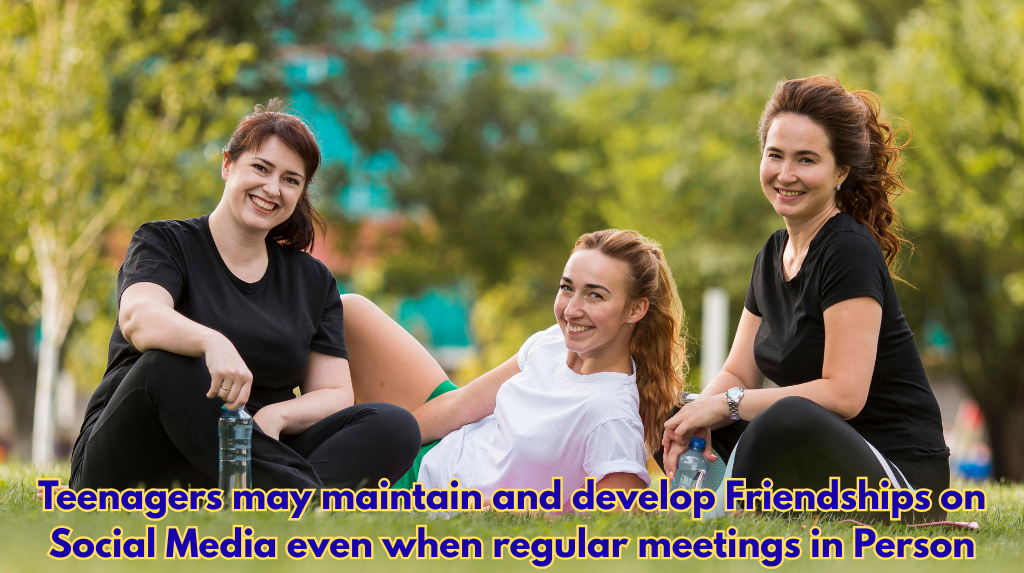
Teenagers may maintain and develop friendships on social media even when regular meetings in person can be difficult due to physical distance or busy schedules. Social ties are sometimes stretched by changes in school, pressure from doing well professionally, extracurricular events, or family shifts, but digital communication keeps teens in contact and emotionally engaged with those who are essential to them.
How social media affects teens: For some teens, particularly those who are shy, introverted, or uncomfortable in a school context, online interaction can serve as a gradual transition towards deeper, real-life connections. Social media may improve existing friendships rather than take the place of strong real connections when used properly and wisely.
A Platform for Creativity and Self-Expression
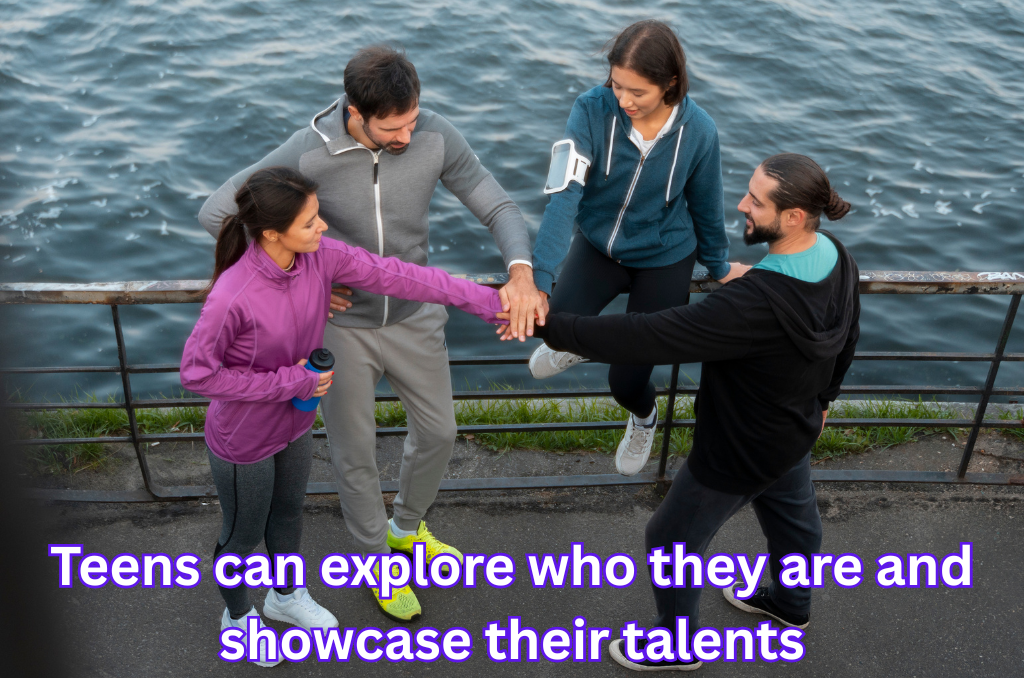
Social media offers many youngsters an effective means to express their creativity and emotions that can be difficult to convey in person. Teens can explore who they are and showcase their talents in ways that promote self-awareness and confidence through writing, art, music, photography, videos, or significant posts. Youngsters, at a time when emotions can often be powerful and confusing, can benefit immensely from this creative expression.
How social media affects teens: Social media usage may shift from passive consumption to active self-expression when parents encourage the creation of productive and positive content, giving teenagers a feeling of strength rather than criticism.
Emotional Support during Difficult Phases
Academic stress, emotional ups and downs, and self-doubt are all prevalent during childhood. Social media may offer emotional comfort at these times through encouraging communities, shared experiences, and supportive feedback. Knowing that others are going through similar challenges provides comfort to teenagers and reduces their feelings of inadequacy and loneliness.
How social media affects teens: Online support can be an additional source of encouragement, but it should never take the place of personal counsel from family or professionals. Social media can become a source of emotional connection rather than emotional dependency when parents stay involved and aware.
Exposure to Diverse Perspectives and Learning Opportunities
Social media can expose teenagers to ideas, cultures, and viewpoints beyond the immediate environment when used properly. Teens can gain curiosity, empathy, and an expanded understanding of the world through educational materials, educational movies, global conversations, and awareness campaigns. This sort of exposure encourages critical thinking and helps young minds to recognize diversity in opinions, experiences, and backgrounds.
How social media affects teens: This process provides parents an opportunity to help their teenagers distinguish between trustworthy and misleading information and use social media as a teaching tool rather than a diversion. Digital platforms may promote both formal education and personal improvement with the right support.
Staying Socially Connected Without Losing Touch
Teenagers can use social media to keep updated and engaged in their friends’ lives, especially if they are physically apart or have busy academic schedules. Sharing common occasions, achievements, or challenges can develop relationship continuity and social connections. Healthy use, however, means making sure that online interaction enhances rather than replaces conversation that takes place in person.
How social media affects teens: Teens learn that social media is a useful instrument rather than the primary focus of their social world when parents support physical interactions, family time, and offline friendships alongside their online activities. They are able to maintain their connection without losing sight of reality due to this harmony.
Why Balance Matters even when the Experience is Positive
Balance is important even when social media offers support, creativity, and interactions. Teens are prone to losing track of time, sleep, and social relationships when engaged in screen time. Positive experiences gain greater significance when combined with boundaries, reflection, and offline communication. Teens’ digital lives should improve, not replace, their physical relationships with others, hobbies, and personal growth.
This is why parents may play an essential role. Encouraging self-awareness, moderation, and positive habits ensures that social media becomes a tool for development rather than an indication of stress or addiction.

Reinforcing Parental Guidance: How Parents Can Lead with Awareness and Empathy
The most significant factor impacting how teenagers use online resources is their parents. Parents may guide with empathy rather than control once they’re conscious of the emotional, social, and imaginative roles that social media plays. Establishing confidence with your teen through open communication, careful listening, and an interest in what they do online enables the creation of safe restrictions. Encourage self-expression, recognize achievements online as well as offline, and set an example of appropriate digital conduct.
How social media affects teens: Parents can help children develop resilience, self-awareness, and emotional intelligence by focusing on guidance over restriction. This will allow them to use social media in a safe and confident way.
Conclusion: Guiding, Not Controlling—Raising Digitally Resilient Teens
The impact of social media is contingent upon its usage; it is neither intrinsically detrimental nor wholly beneficial. Only when balanced with offline life, reflection, and intentional communication can it offer them connection, creativity, learning, and support. It is your duty as a parent to encourage understanding, promote moderation, and develop trust instead of trying to restrict screens. You may help your teen build digital resilience, emotional intelligence, and the ability to perform well both online and offline by providing them with thoughtful and sensitive instruction.

Remember that the aim is to provide children the knowledge, skills, and confidence they require to navigate their environment wisely rather than controlling it.
Call to Action for Teenagers
If you use it carefully, your online environment may be intellectual, educational, and social. Analyze for a moment today if social media makes you feel motivated or exhausted. Try to find a balance between screen time and hobbies, personal connections and real-world interactions. Avoid letting your likes define your worth; rather, demonstrate your talents, motivate your friends, and express yourself sincerely.
Keep in mind that you are in control of how you use social media; rather than using it to restrict your happiness or self-worth, use it as a tool to help you grow, connect, and shine. Take control of your digital life, start small, and keep up awareness.
Very true, social media has its own advantages but many more disadvantages also, so teenagers must use it with full responsibility and care
Thank you Deepak Sharma, your comments boost our morale. Keep reading