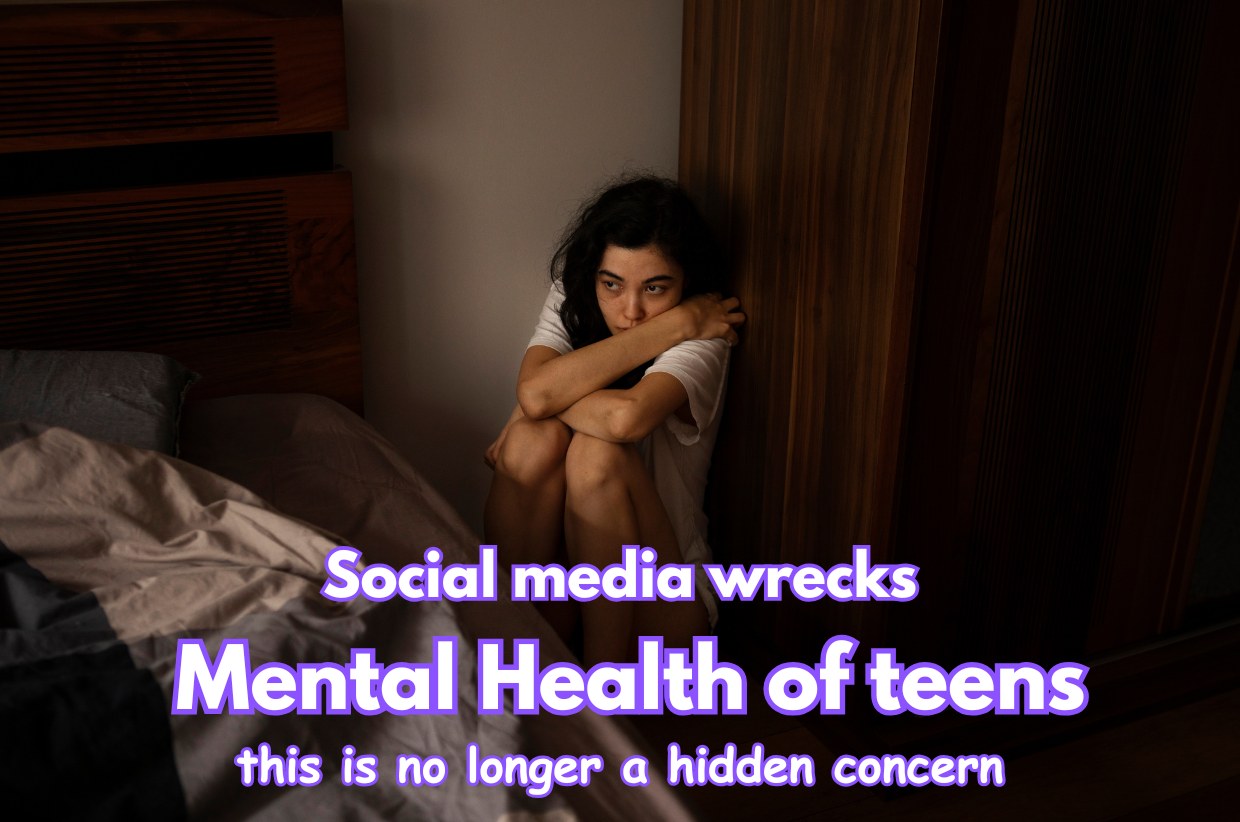
How social media wrecks the mental health of teens is no longer a hidden concern—it is a daily reality unfolding behind glowing screens and endless scrolls. Swipe. Scroll. Like. Repeat. For millions of teenagers, what they do online isn’t just a habit; it’s a lifestyle quietly shaping their thoughts, emotions, self-worth, and identity. What begins as harmless entertainment often turns into an exhausting digital race—one filled with comparison, validation-seeking, fear of missing out, and constant mental noise. In 2026, social media platforms are no longer just tools for connection; they have become powerful environments that influence how teens see themselves and the world around them.
With more than 500 million Indian users under 25, social media has become a major part of adolescence. Social media sites like Instagram, Snapchat, and TikTok demand continual interaction, reward attentiveness, and promote perfection—often at the expense of mental tranquility. In The Anxious Generation, psychologist Jonathan Haidt forewarned the world about a “phone-based childhood,” and current data supports his worries. Over the past ten years, rates of anxiety, sadness, loneliness, and sleep disorders among teenagers have increased dramatically, roughly paralleling the rise in screen reliance. One in five urban teenagers in India alone suffers from anxiety or emotional distress, which is largely caused by excessive screen time and online pressure, according to recent mental health studies.
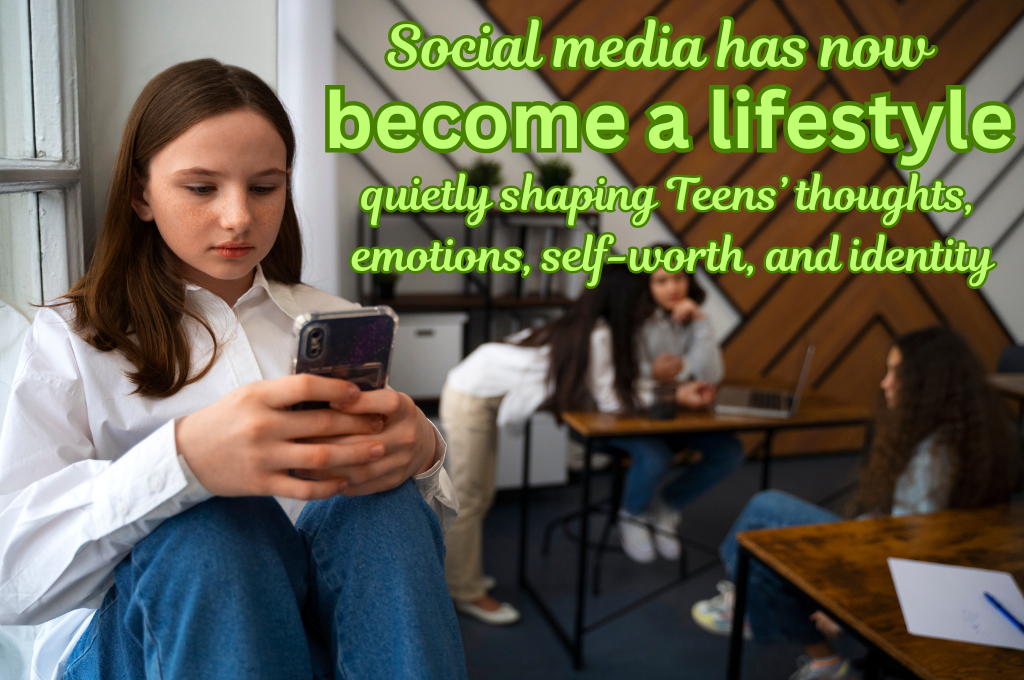
This statistic is not an attack on technology, nor is it an argument to unplug entirely. This is a call to action. Behind every filtered smile lies a real mind grappling with self-doubt, behind every viral post is a silent comparison, and behind every late-night scroll is a teenager losing sleep, focus, and emotional balance. This blog explores how social media is silently wrecking teen mental health, why scrolling feels addictive yet draining, and—most importantly—how teens, parents, and educators can break free from this chaos and reclaim clarity, confidence, and control.
The Dopamine Doom Loop: Addiction by Design
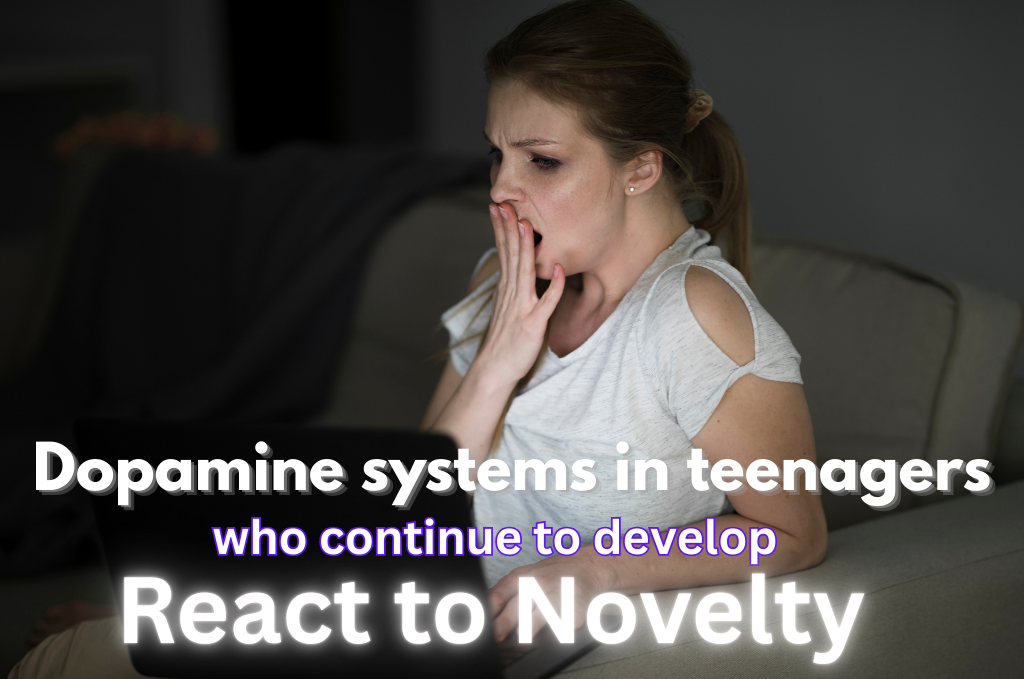
Hijacked brains act as the lifeline of social media. Dopamine systems in teenagers, who continue to develop, react to novelty. Platforms make use of this process by pinging notifications like slot machines and allowing continuous browsing. According to a 2025 Stanford study, teenagers check their cell phones over 150 times every day; this overloads reward circuits.
- Neuroscience of Notification: Alerts mimic the side effects of cocaine by creating nucleus accumbens spikes. Based on the 2026 study by Tristan Harris’s Center for Humane Tech, algorithms pay emphasis to outrage—angry remarks get five times the interaction—to educate teenagers about negativity bias.
- The historical context of India is amplified: Teenagers in rural Haryana, like those in Narnaund, are now spending 8 hours per day browsing because of affordable data (Jio revolution). Gaming apps like BGMI, which combine social features with loot boxes, lead to addiction in 30% of consumers (WHO 2025).
The result? Gen Z’s attention span is 47 milliseconds, rather than 12 seconds in 2000 (Microsoft 2025). GPAs decrease by 0.5 points for every hour more spent online, and homework suffers (APA 2026).
Mental Health of Teens—Comparison Crucible: Pixels of Perfection Poisoning Self-worth
“Her life’s a movie; mine’s a mess.” Highlight videos on social media promote insufficient performance. Teens embrace filtered selfies and meticulously planned vacations as their norm.
- Body Image Battlefield: According to the Dove 2025 Selfie Study, Instagram’s thin-ideal algorithm promotes obesity in girls by 33%. Ignoring the temptations of drugs, boys adopt #GymTok to chase killer abs. Hospitalizations for anorexia among urban teenagers in India rose by 25% (AIIMS 2025).
- FOMO Fury: Stories and Snapchat streaks are constantly being shared. According to a 2026 Pew survey, 70% of teenagers believe that envy dampens their delight when they finish browsing.
- Cultural twist: “log kya kahenge” increases in India. A wedding goes viral Reels push teenagers to conform to societal expectations, while caste and class disparities worsen existing divides.
The Shadow of Cyberbullying: From Trolls to Trauma
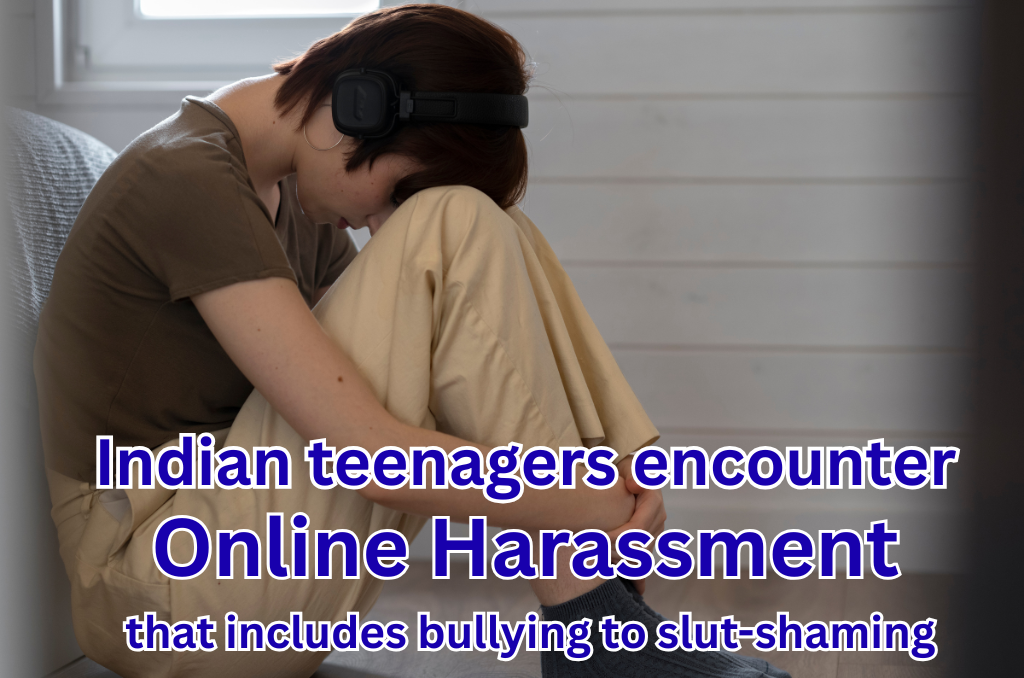
Anonymity can unleash monsters. According to the NCRB 2025, 40% of Indian teenagers encounter online harassment that includes bullying to slut-shaming. Just one widely changed image could result in scars that last forever.
Riya’s Nightmare is the case study. Over months, a 15-year-old Delhi girl had to submit to bikini beach pictures shared by Instagram bullies. She stated to Youth Ki Awaaz (2026), “They called me names that no one forgets.” Attacks of anxiety took place, and school dropout was inevitable. It is made even worse by platforms’ insufficient moderation—Meta eliminates only 2% of hate content proactively (Oversight Board 2025).
Boys with effeminate features are often the target of homophobic comments. LGBTQ+ youngsters claim to have suicidal thoughts often (Trevor Project, 2026).
Sleep disruption: the midnight Assault of Blue Light
Most teenagers receive just 5 to 6 hours of sleep, but they need 8 to 10. Screens slow down melatonin by 3 hours (Harvard 2025). Zombie mornings are the result of late-night reels.
Effect of ripples: Teens that lack sufficient sleep perform 20% lower on tests (NSF 2026). Mood crashes increase the likelihood of depression and irritability fourfold.
It gets worse with India’s night owl culture, when WhatsApp family groups are busy until one in the morning. Ironically, urban 24/7 connectivity doesn’t help, whereas rural power outages do.
The Real-World Disconnect: Pixels over People
Hugs have been replaced with virtual likes. Teens believe that they have 30% fewer in-person friends today than they had in 2012 (Twang 2026). Paradox: Incredibly connected but incredibly alone.
- Dating apps have transformed romance: Tinder swipes promote disposability. Hookup culture increased STI incidences among urban teenagers by 15% (NFHS-6 2026).
- Academic implications: Social media tabs decrease retention by 40%, refuting misconceptions of multitasking (UC Irvine, 2025).
Mental Health Meltdown: Data doesn’t lie
- Depression Surge: U.S. teen rates doubled 2010-2025; India’s mirrored post-Jio (Lancet 2026).
- Suicide Spike: Social media correlates with a 14% rise in attempts (JAMA 2025).
- ADHD Mimicry: Doom-scrolling inflames symptoms; diagnoses are up 25%.
- India Snapshot: 2026 NFHS: 22% of teen girls and 18% of boys show depressive symptoms, urban > rural.
- Expert verdict: Surgeon General Vivek Murthy’s advisory: “Heaviest users face 3x mental illness risk.”
Vulnerable Voices: Stories from the scroll
- Aarush, 17, Haryana: “Narnund’s slow WiFi was a blessing. College city? The BGMl addition tanked my semesters. Detox saved me.”
- Priya, 16, Mumbai: “Influencer dreams led to crash diets. Therapy taught, “Filters lie.”
- Global Echo: The UK’s Molly Russell (2017 tragedy) spurred bans; India needs a similar reckoning.
The Flip Side: Pixels with Purpose?
Not all doom. Pro-social uses exist: Mental health: TikToks help normalize therapy, while activism such as #FridaysForFuture empowers individuals. But positives drown in chaos—the 80/20 rule.
which is largely, caused by excessive screen time and online pressure
Breaking Free: A Teen’s Toolkit
Reclaim control:
- Audit & Limit: Track usage (Digital Wellbeing). Cap at 2 hours of recreation.
- Curate Feeds: Unfollow toxins; follow #MentalHealthMatters.
- IRL Anchors: Club sports, family game nights.
- Tech Hacks: Grayscale mode dulls appeal; apps like Forest gamify focus.
- Mindfulness: Daily 5-min breath work counters dopamine crashes.
Success Story: Australia’s 2025 phone-free schools boosted happiness 28%.
Parents’ Playbook: Guide, Don’t Gatekeep
- Co-view: Discuss posts together.
- Rules with Reasons: “Screens off by 9 p.m. for better sleep.”
- Model It: Your habits shape theirs.
- Resources: Common Sense Media reviews.
Schools and Society: Systemic Safeguards
- Policy Wins: The EU’s 2026 age verification mandates 16+ for addictive apps. India: Push DSA-like laws.
- Curriculum: Digital citizenship classes.
- Tech Accountability: Algorithm audits; “wellbeing mode” defaults.
Government steps: The 2026 Digital India Act proposes teen protections—advocate!
Looking ahead: from Chaos to Clarity
Unchecked social media is ruining a generation, yet this isn’t evil. We could reverse the trend by 2030 with redesigns, education, and restrictions.
- Teenagers: Log off, keep going.
- Parents: Unite and join the fight.
- Platforms: Offer everyone the highest priority.
When we emphasize presence over pixels, scrolling through chaos eventually comes to an end. Your well-being is greater than everything else. One mindful minute at a time, start right now.